
Walkerville Development Update: Density Without Losing Character?
Posted on February 20th 2026 by Lalovich
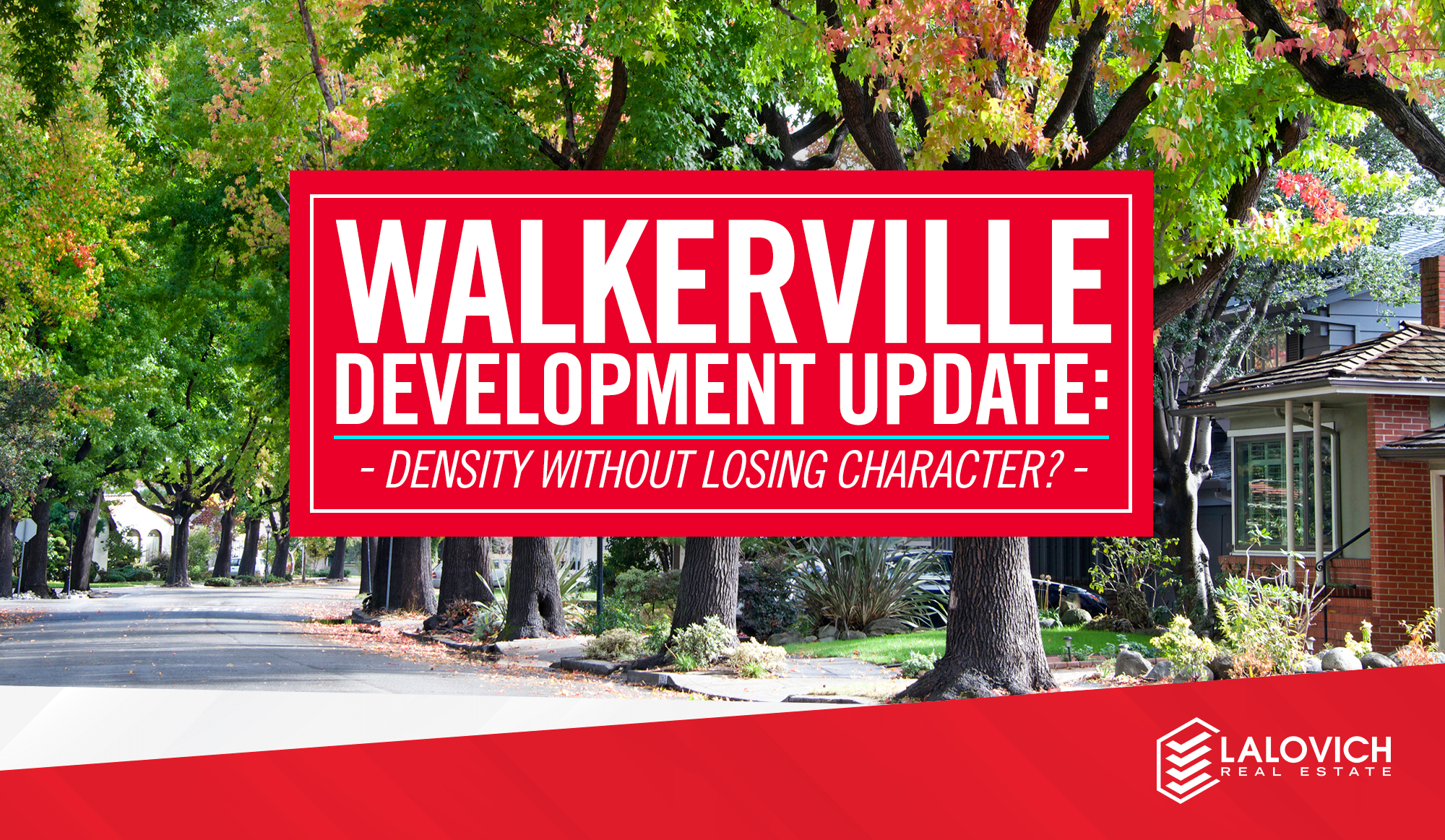
Walkerville has always been one of Windsor’s most recognizable neighbourhoods. The architecture, the mature streets, the small business energy along Wyandotte. It has a feel that people want protected.
That is why development proposals in this area tend to draw more attention than most.
This week, Windsor’s Development and Heritage Standing Committee approved rezoning for a $12 million, 24-unit townhome project at the corner of Devonshire Court and Kildare Road. The file now heads to city council for final approval.
On the surface, it is another infill project. But the backstory is what makes it worth paying attention to.
From Four Storeys to Two
In 2022, this same site had approval for a four storey, 23-unit apartment building. That proposal never moved forward. The land eventually sold, and the new owner, Agbaba Holdings, came back with a different vision.
Instead of a mid-rise apartment, the current plan calls for two storey townhomes. Twenty four in total. Each townhome will also include two attached additional dwelling units, meaning the site still contributes meaningful density.
So the core need has not changed. Windsor still needs more housing. What has changed is the form.
That distinction matters in a neighbourhood like Walkerville.
Listening to the Neighbourhood
The developer held an open house in 2025 to gather feedback from local residents. Height and scale were key concerns. The revised concept aims to maintain the Walkerville look and feel through materials and overall design.
Whether you agree with the project or not, this is a practical example of how intensification is evolving in Windsor. It is not always about building higher. Sometimes it is about building in a way that blends in.
As Ward 4 councillor Mark McKenzie noted during discussions, residents were presented with a choice. A four storey apartment building or a two storey townhome development with additional units integrated into the design. For many, the scaled down approach felt like a better fit.
The Bigger Conversation
This project highlights a broader issue that cities across Ontario are dealing with.
How do you increase housing supply in established neighbourhoods without creating unnecessary friction?
We need more units. That is not up for debate. But the form those units take can determine how a project is received and how it ultimately impacts surrounding property values, traffic patterns, and neighbourhood identity.
Walkerville is not anti-development. It is protective of character. There is a difference.
If council gives final approval and the project proceeds, construction could begin in 2026. That timeline alone tells you something about development cycles. These projects are long-term plays, not overnight changes.
Why This Matters for Buyers, Sellers, and Investors
If you own property in Walkerville, projects like this influence future resale dynamics and long-term demand. Thoughtful infill can support values. Poorly integrated density can create resistance.
If you are an investor, this is a real world case study in how zoning, community engagement, and design shape returns.
If you are a buyer, this is part of the supply conversation that will continue to define Windsor’s housing market over the next decade.
Development is not slowing down. It is evolving.
If you live in Walkerville or care about how Windsor is growing, share this article with someone who should be paying attention. These local planning decisions shape our neighbourhoods far more than most people realize.
Share: Share on facebook Send it with e-mail Share on twitter Share on linkedin