
South Windsor Apartment Debate Shows the Real Challenge Facing the City’s Growth
Posted on May 26th 2026 by Lalovich
A recent Windsor council debate over a proposed apartment building on Cabana Road turned into something much bigger than a single development application. It gives people a pretty clear preview of where Windsor will be heading over the next decade.
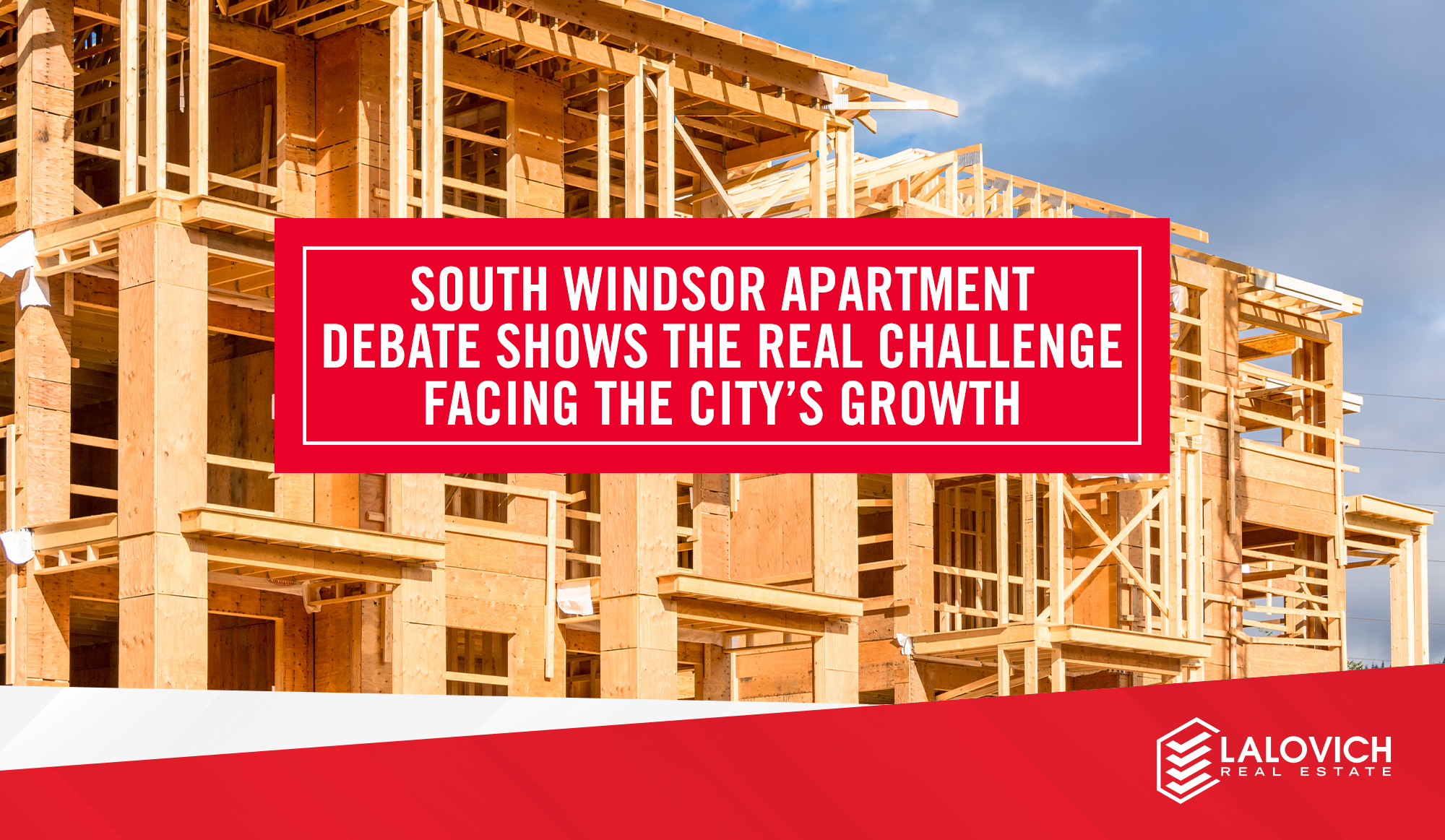
Council ultimately approved a 29-unit apartment building in South Windsor near Cabana Road and Casgrain Drive. The project will replace two single-family homes with a three-storey apartment building and 37 parking spaces.
This may look like another rezoning story, but it’s not.
The Bigger Story Behind The South Windsor Development Debate
What really stood out during the meeting was something council members openly acknowledged throughout the debate: there may not have been much ability to stop the project.
That’s the part people outside of real estate and development don’t realize. Ontario’s housing policies are putting increasing pressure on municipalities to approve more density and more housing supply. At the same time, cities are also weighing the risk of losing costly appeals at the Ontario Land Tribunal if applications align with provincial planning policies.
That totally changes the conversation because now these debates are no longer just about whether residents support a project. They’re also about what cities are allowed to reject.
Why This Matters For Windsor Real Estate
As population growth, housing demand, and affordability pressures continue, Windsor is likely going to see more redevelopment applications along major corridors like:
- Cabana Road
- Howard Avenue
- Walker Road
- Tecumseh Road
- Lauzon Parkway
From a planning perspective, that makes sense. Our major roads are already handling higher traffic, commercial uses and transit access. They’re naturally where cities tend to direct intensification.
None of this means residents are wrong to be concerned.
Residents Have Valid Concerns
A lot of nearby residents have real concerns about traffic, congestion, infrastructure capacity, and neighbourhood character.
People buy into neighbourhoods expecting a certain feel and consistency. When larger apartment projects start appearing near established single-family areas, it changes how people experience the community. That’s why these meetings are becoming more emotional. Most people aren’t necessarily against housing. They’re worried about how quickly change is happening and what that means for the future of their neighbourhood.
The Economics Of Building Housing Right Now Are Brutal
One thing that often gets lost in these conversations is just how difficult apartment development has become financially. Construction costs are much higher than they were a few years ago.
- Interest rates are higher
- Insurance costs are up
- Development charges have increased
- Labour costs continue rising
- Land costs remain elevated
So when people ask why developers are pushing for more units or greater density, a big part of the answer is simple economics. Many projects no longer work financially at lower densities. This is happening across Ontario, not just Windsor.
Windsor Is Entering a New Phase of Growth
This debate highlights something important: Windsor is entering a transition period.
For decades, a lot of growth happened outward through suburban expansion. But increasingly, the conversation is shifting toward intensification, infill development, and higher-density housing. Whether people like it or not, that trend will probably accelerate from here.
The real challenge for Windsor council, planners, developers, and residents will be finding a balance between:
- Adding much-needed housing supply
- Protecting neighbourhood character
- Managing infrastructure demands
- Keeping projects financially viable
That’s not an easy equation and there won’t be perfect answers.
Final Thoughts
This Cabana Road debate is going to end up being remembered as one of many early examples of the bigger conversations Windsor is about to have. This won’t be the last controversial apartment approval in South Windsor, not even close.
The city is changing. Provincial planning rules are changing. Housing economics are changing. Windsor residents are starting to see what that actually looks like.
If you found this breakdown helpful, share it with someone following Windsor real estate, development, or city planning. These conversations are only going to become more important over the next few years.
Share: Share on facebook Send it with e-mail Share on twitter Share on linkedin